
Ignacio Barroso Gomez
Poster
Media
Poster
Dimensions
A0 (84.1 cm x 118.9 cm; 33.1 inches x 46.8 inches)
Description
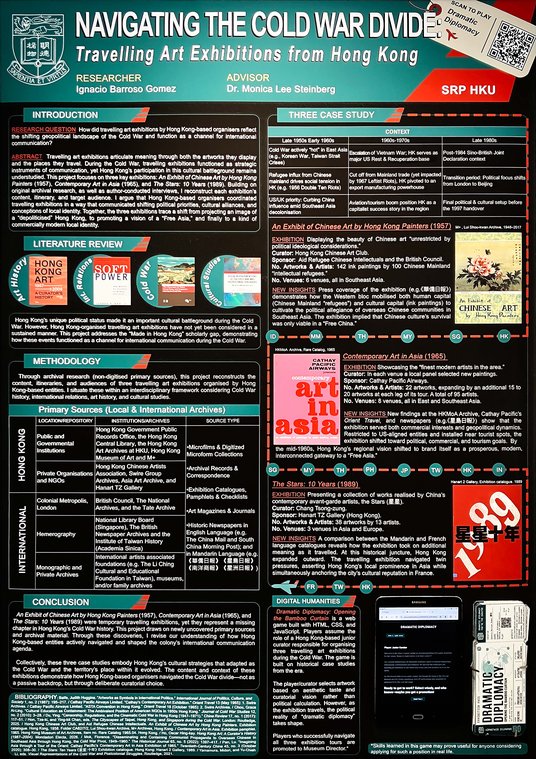
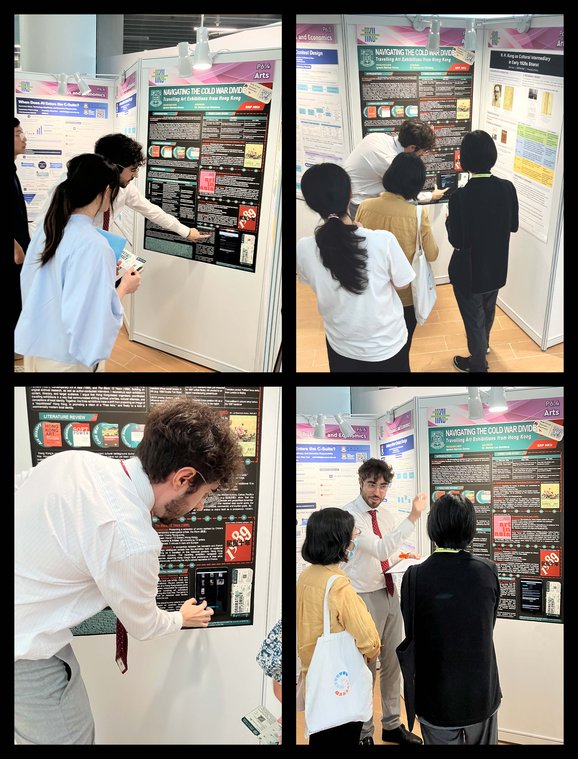
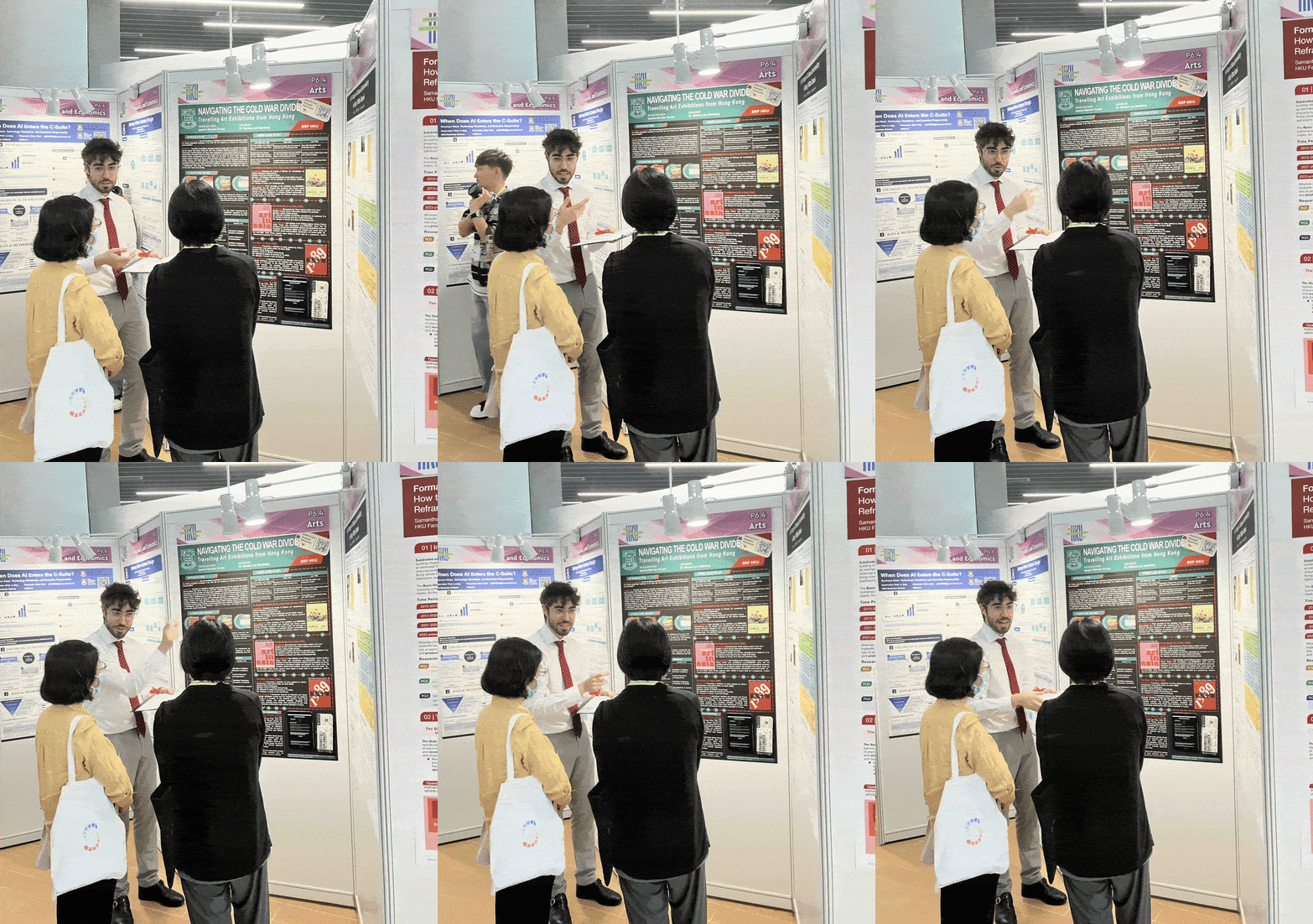
Navigating the Cold War Divide: Travelling Art Exhibitions from Hong Kong
Research Question:
How did travelling art exhibitions by Hong Kong-based organisers reflect the shifting geopolitical landscape of the Cold War and function as a channel for international communication?
Abstract:
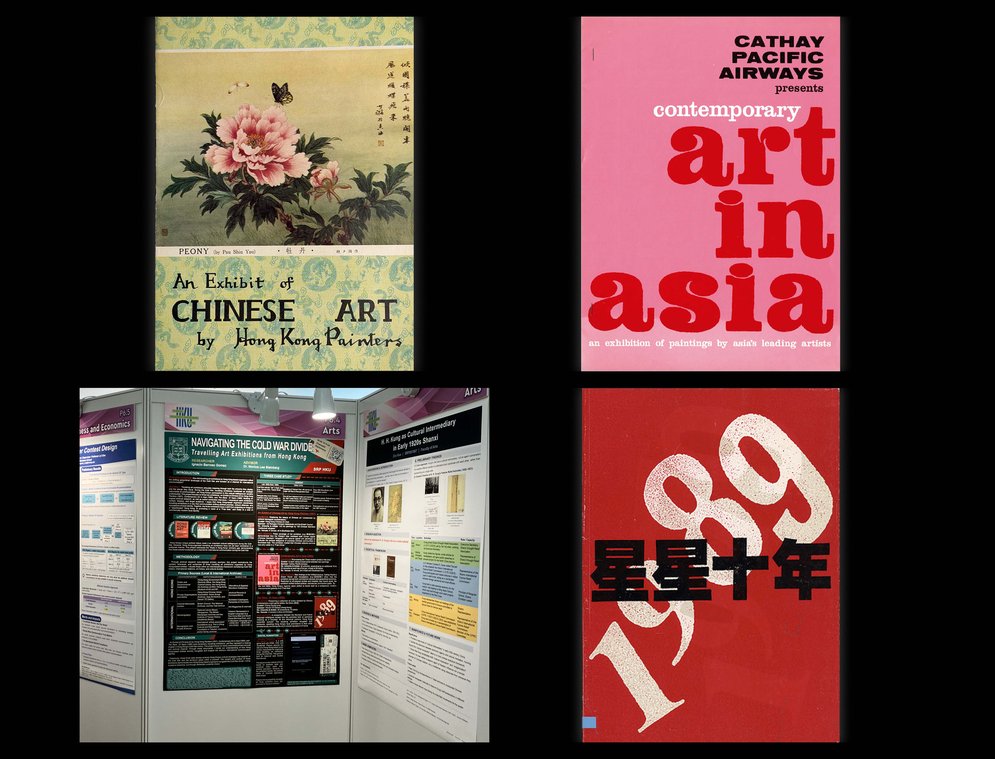
Travelling art exhibitions articulate meaning through both the artworks they display and the places they travel. During the Cold War, travelling exhibitions functioned as strategic instruments of communication, yet Hong Kong’s participation in this cultural battleground remains understudied. This project focuses on three key exhibitions: An Exhibit of Chinese Art by Hong Kong Painters (1957), Contemporary Art in Asia (1965), and The Stars: 10 Years (1989). Building on original archival research, as well as author-conducted interviews, I reconstruct each exhibition’s content, itinerary, and target audience. I argue that Hong Kong-based organisers coordinated travelling exhibitions in a way that communicated shifting political priorities, cultural alliances, and conceptions of local identity. Together, the three exhibitions trace a shift from projecting an image of a "depoliticised" Hong Kong, to promoting a vision of a "Free Asia," and finally to a kind of commercially modern local identity.
Conclusion:
An Exhibit of Chinese Art by Hong Kong Painters (1957), Contemporary Art in Asia (1965), and The Stars: 10 Years (1989) were temporary travelling exhibitions, yet they represent a missing chapter in Hong Kong’s Cold War history. This project draws on newly uncovered primary sources and archival material. Through these discoveries, I revise our understanding of how Hong Kong-based entities actively navigated and shaped the colony’s international communication agenda.
Collectively, these three case studies embody Hong Kong’s cultural strategies that adapted as the Cold War and the territory’s place within it evolved. The content and context of these exhibitions demonstrate how Hong Kong-based organisers navigated the Cold War divide—not as a passive backdrop, but through deliberate curatorial choice.